What you need to know.
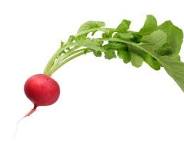
Cherry Belle is the variety I grow — the classic round red radish that goes from seed to plate in 25 days. That makes it the fastest vegetable in my entire garden. I sowed my first batch on February 22nd this year when it was still cold enough to see my breath outside, and they sprouted in five days. By March 20th I was pulling them out of the ground.
One thing that matters a lot in North Carolina: our piedmont soil is mostly red clay, which is terrible for root vegetables. Radishes grown in clay come out crooked, forked, and cracked. I grow mine in a raised bed filled with a mix of garden soil and compost. If you do not have a raised bed, loosen the soil at least 8 inches deep before sowing and mix in plenty of compost — the roots need room to push straight down.
"I pulled my first radish in February and ate it right there in the garden with just salt. It was crunchy and cold and perfect."
Step by step.
Sow seeds half an inch deep, 2 inches apart, in rows 6 inches apart. After seedlings reach 2 inches tall, thin to 3 inches between plants. Skipping thinning is the most common mistake — crowded roots cannot form properly and you get a bunch of nothing.
Succession plant every 10 to 14 days from late February through mid-April, then stop completely. NC summers make radishes bolt fast — the root turns hollow and bitter when the weather warms. Resume in late August for fall radishes, which are actually crunchier and sweeter.
Pull them as soon as the shoulder of the radish pops out of the soil and it reaches about golf-ball size. Wait too long and they turn woody in the middle and lose all their crunch. I check mine every two days once they get close.
When to plant in Zone 7b.
In Zone 7b (Apex, NC) I sow my first spring batch around February 18th — about 8 weeks before our average last frost of April 15th. They handle light frost just fine. I do three plantings, roughly 12 days apart, and stop in late April.
The fall window opens around August 20th and runs through October. Fall radishes are my favorites — cooling nights make them noticeably crunchier and a little sweeter than spring ones. If you can only grow radishes one season, grow them in fall.
Problems I ran into.
Flea beetles are my biggest problem. They are tiny black jumping beetles that chew small round holes in the leaves — in bad years it looks like someone took a hole punch to every leaf. My fix: floating row cover fabric laid directly over the seedlings and pinned at the edges. It keeps the beetles off completely and costs almost nothing.
Bolting is the other issue. If a warm spell hits in late April while radishes are still in the ground, they shoot up a flower stalk overnight and the root goes hollow and bitter. Once it bolts it is done — pull it out. I check daily once daytime temps start climbing above 70 degrees.
What I make with it.
My favorite way to eat radishes is sliced thin on good bread with soft butter and a pinch of salt. It sounds odd but the butter softens the sharpness and the crunch is still there. My dad makes this for lunch now too.
I also saute the radish greens — the leafy tops most people throw away. They taste like spicy spinach. Garlic, olive oil, a few minutes on the stove. The full butter radish recipe is on the recipes page — it takes about four minutes.