What you need to know.
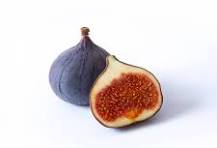
Figs grow like magic in North Carolina. Brown Turkey is the variety I grow — the most cold-hardy fig for Zone 7b, reliable through our winters, and a heavy producer in late summer. I planted mine against the south-facing wall of our garage, which is the best location I could have chosen: the wall reflects heat that ripens fruit faster and protects the tree through cold snaps.
A single mature fig tree produces more fruit than most families can eat fresh. My second-year harvest was around 80 to 100 figs over three weeks. Other good varieties for Zone 7b include Celeste (smaller, very sweet, extremely cold-hardy), LSU Purple (excellent cold tolerance), and Violette de Bordeaux (intense flavor, but needs a protected spot). Brown Turkey is the easiest starting point and the most forgiving of imperfect conditions.
"I thought figs were tropical. Then I watched ours come back from a hard freeze like nothing happened and I understood how tough they actually are."
Step by step.
Plant in late April in Zone 7b, against a south-facing wall or fence if possible. Dig a hole twice as wide as the root ball, mix in compost, and water deeply every week through the first growing season. Once established, figs are surprisingly drought-tolerant.
Mulch 4 to 6 inches deep around the base every spring. Fig roots are shallow and do not like drying out completely, especially while the tree is young. I use shredded fall leaves as mulch — free, and they break down into the soil over winter.
If a harsh winter kills back the top growth, do not panic and do not dig it up. Figs almost always resprout strongly from the roots. Cut dead wood back to live growth (green inside when you scratch the bark with a fingernail) and wait. The tree usually comes back bigger and better.
When to plant in Zone 7b.
Plant in late April or early May. The first year the tree mostly builds roots — expect little to no fruit. Year two brings some figs. Year three is when the real production starts and it only grows from there.
Harvest season in Zone 7b runs from late August through September. The droop test is the most reliable sign of ripeness: gently lift a fig — if the neck bends and it droops, it is ready. If it stands straight up, it needs more time. Ripe figs also smell very sweet and give slightly under gentle pressure. Figs do not ripen off the tree, so do not pick early.
Problems I ran into.
Birds and squirrels compete hard for ripe figs. I drape bird netting over the tree about a week before peak ripening — when figs start to color up but are not quite ready yet. It is awkward on a big tree but saves a lot of fruit.
Splitting happens after dry spells followed by heavy rain — the fruit cracks open. Split figs are still perfectly edible, just use them immediately before mold sets in. I check the tree daily in September because a split fig can go bad within 24 hours in NC heat.
What I make with it.
Fresh figs eaten warm off the tree in late August are one of my favorite things in the entire garden. We make fig toast constantly during harvest season — split figs on toasted bread with cream cheese or ricotta and a drizzle of honey.
Figs also freeze well halved on a baking sheet. I add frozen figs to smoothies and oatmeal all winter. The full fig toast recipe is on the recipes page — it takes about six minutes.