What you need to know.
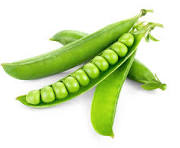
Sugar snap peas are the best vegetable I grow. I say that honestly. A pea eaten 30 seconds after you pick it is completely different from anything you buy at a grocery store — it is almost sweet the way candy is sweet. The whole secret is timing: plant in January or early February, which feels wrong but is not. Peas want cold soil. They actually do better with frost than without it early on.
I grow two types side by side: Sugar Snap (the fat round peas in a thick juicy pod) and Oregon Sugar Pod II (a flat snow pea type that matures a little faster). Both grow well in Zone 7b as long as you get them in the ground early enough. The other essential is a trellis — peas are climbers and will flop into a useless tangle without something to grab onto.
"I planted my peas on January 28th this year. My neighbor looked at me like I was crazy. I had full pods by April 3rd."
Step by step.
Direct sow seeds 1 inch deep, 2 to 3 inches apart, against your trellis. Do not start them indoors — peas hate being transplanted and always grow better direct-seeded in cold soil. In Zone 7b, sow from late January through mid-March.
Put up your trellis before the seeds even germinate. Peas send out curling tendrils that grab onto almost anything within days of sprouting. I use a 5-foot section of wire mesh stretched between two wooden stakes — simple, lasts for years, and costs almost nothing.
Pick every single day once pods start forming. If you miss a pod and it swells up and gets starchy inside, the plant stops producing new pods and redirects energy toward seed. The more you harvest, the more the plant makes. Every day matters.
When to plant in Zone 7b.
In Zone 7b, sow peas in the last week of January or first week of February. Young plants handle frost down to about 28 degrees, and established plants can handle even colder. They will stall in a hard freeze and then bounce right back when temperatures recover.
By late May or June, NC heat shuts peas down — that is completely normal. Our productive window is roughly January through early May. Do not try to extend it; peas just do not produce well when daytime temperatures consistently hit 80 degrees. The season is short and worth every minute of it.
Problems I ran into.
Aphids cluster on the growing tips in spring — you will see them as a dense green or gray mass at the very top of the plant. I knock them off with a hard spray from the hose every morning for three or four days in a row. That usually handles it without any spray.
Powdery mildew shows up as white powdery patches on leaves in late April as the weather warms. By that point the plants are nearly done for the year anyway, so I do not stress much about it. Pull the spent plants, throw them in the compost, and call it a season.
What I make with it.
Most peas never make it to the kitchen. I eat them off the vine while I am picking. But for what does make it inside, I make a simple pea salad — raw snap peas, lemon juice, olive oil, a little parmesan or feta. It is done in five minutes.
The full sugar snap pea salad recipe is on the recipes page. The young tips of the pea vine are also edible and taste exactly like the peas themselves — I throw a handful of those in too.