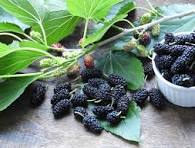
What you need to know.
Mulberries are the biggest surprise in my garden. I planted one two summers ago mostly because my dad said it was easy, and I was skeptical. He was completely right. I watered it regularly the first summer, put mulch around the base, and by the second year I was picking more berries than my whole family could eat. Nothing else in my garden has ever worked that well that fast.
The variety that matters most is everbearing mulberry — the kind that produces for six weeks straight starting in May, with fruit ripening gradually over that whole period. Not all mulberries do this. A true everbearing type gives you staggered ripening so you are picking a little every day instead of getting overwhelmed with everything at once. I got mine as a small potted tree from a nursery in Apex — look for Illinois Everbearing or similar labeled everbearing types.
"The first summer it barely grew. The second summer it was taller than me and dropping berries onto the patio. They stained everything purple."
Step by step.
Plant in full sun with plenty of room — mulberry trees spread 20 to 30 feet wide when mature. Do not plant near driveways, patios, or anything you do not want stained purple for several weeks every year. I planted mine at the back edge of the yard near the fence. That was the right call.
Water deeply once a week the first full summer and into the second year. After that, mulberries are genuinely drought-tolerant and take care of themselves. Keep 4 to 6 inches of mulch around the base to hold moisture and suppress weeds around the shallow roots.
To harvest, spread an old sheet on the ground under the branches and shake each branch firmly. Ripe berries drop — unripe ones hold on. This method is much faster than picking individual berries and you can collect several pounds in minutes. Wear clothes you do not care about staining.
When to plant in Zone 7b.
Plant in early spring after the last frost — in Zone 7b, that is late April. Young trees take 2 to 3 years to produce a real harvest. Year one: almost nothing. Year two: a cup or two. Year three onward: more than you can handle.
Harvest season in Zone 7b runs from late May through late June. Peak ripening in Apex usually hits the first two weeks of June. I check the tree every couple of days and do a big sheet-shake two or three times a week during peak season. You can also freeze berries flat on a baking sheet and bag them — they keep all year.
Problems I ran into.
Birds are the main competition. Mockingbirds and robins find ripe mulberries before I do. When the tree was small I could drape bird netting over it and that helped a lot. Now that it is bigger, bird netting does not really work anymore — you just accept sharing maybe a third of the crop with wildlife.
The real ongoing "problem" is staining. Mulberry juice stains skin, clothing, concrete, and wood. It does not come out easily. I pick with gloves now, and I do my sheet-shaking away from anything I care about. The patio pavers near my tree are permanently tinted pink-purple and I have just accepted that.
What I make with it.
Mulberries have a mild sweetness and slight tartness that works in almost anything. The morning after a big harvest we make mulberry pancakes — the berries dissolve a little into the batter and turn everything a deep purple color. It has become a June tradition.
I also freeze them flat on a baking sheet and bag them up for smoothies all winter. The full mulberry pancake recipe is on the recipes page.