What you need to know.
Green beans are the most forgiving vegetable I grow. If you get seeds into warm soil after the last frost and water them occasionally, you will get green beans. I grow both bush beans (Provider and Blue Lake 274) and pole beans (Kentucky Wonder). Bush beans give you one big harvest all at once — good for preserving. Pole beans produce steadily for months and are better for picking a little every few days.
The one thing nobody told me that actually matters: rhizobium inoculant. It is a powder you dust on the seeds right before planting. It introduces soil bacteria that help beans pull nitrogen from the air, feeding the plant for free. A packet costs about three dollars at any garden center and I am convinced it doubled my yield the first year I used it. Worth doing every time.
"I planted a 10-foot row of bush beans and six weeks later had more green beans than my family could eat in two weeks. Plant less than you think you need."
Step by step.
Direct sow seeds 1 inch deep, 4 inches apart, after the last frost when soil is at least 60 degrees. In Zone 7b that is mid to late April. Cold soil causes seeds to rot instead of sprout — do not rush it. Dust seeds with rhizobium powder right before dropping them in the hole.
For pole beans, put up your trellis or teepee before you sow — plants will need something to climb almost immediately after germination. I use 6-foot bamboo poles tied at the top in a teepee, with one plant at the base of each pole.
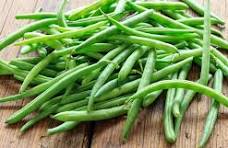
Pick every day once beans start coming in. Any pod that gets fat with visible bulges where the seeds are has gone tough and stringy. Young beans at 4 to 5 inches are crisp and sweet. Old pods are leathery. At peak production, check daily without exception.
When to plant in Zone 7b.
In Zone 7b I plant my first bush beans around April 20th — about a week after our last frost. I plant a second succession around May 10th, and a third around June 1st. Succession planting staggers the harvest instead of flooding you with beans all at once.
I stop new plantings in late June because beans sowed after that will be flowering during the worst of summer heat, which tanks pollination and production. I pick back up in late July for a fall crop — green beans in October with cooling temperatures are genuinely excellent.
Problems I ran into.
Japanese beetles hit my bean patch in late June and July every year. They eat the leaves and slow production significantly. I remove them by hand in early morning when they are slow — drop them into soapy water. In bad years I go out every other day.
Spider mites show up during hot dry stretches — you will notice a pale dusty look to the leaves and tiny webs on the undersides. A strong spray of water every morning for a few days knocks them back. Consistent soil moisture with mulch helps prevent them from getting established.
What I make with it.
The best green beans I have ever made are blistered in a screaming-hot cast iron pan with olive oil and salt. They char slightly on the outside and stay crisp inside. Much better than boiled or steamed.
The full blistered green bean recipe is on the recipes page. One pan, eight minutes.