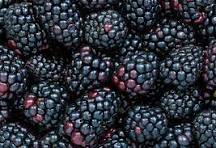
North Carolina is one of the best foraging states in the country. Wild blackberries, pawpaws, mulberries, ramps, persimmons — they're all out there, for free. But you have to be careful. Here's what I pick and what I never, ever touch.
Important. Never eat anything you can't identify with 100% certainty. Cross-check every find against at least two sources. When in doubt, don't. I'm a 10 year old, not a botanist — use this site as a starting point, not the final word.

Grow along roadsides, field edges, and abandoned lots. Thorny canes. Fruit goes black and falls easily into your hand when ripe. Wash carefully.
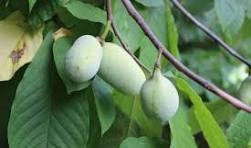
America's hidden tropical fruit. Tastes like a banana crossed with a mango. Look in floodplains and hardwood bottoms.
Wild garlic-onions of Appalachia. Smell the crushed leaf — if it doesn't smell like onion, it isn't a ramp. Take only the tops to let them regrow.
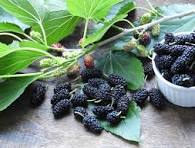
Mulberry trees are everywhere if you look up. Fruit drops onto sidewalks in late spring. Spread a sheet, shake the branch, done.
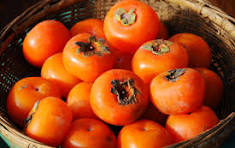
Only eat them after the first hard frost and when they've fallen. Eat one before and your face will regret it for an hour.
Mushrooms, unless I'm with an expert. Anything near a road (exhaust fumes). White berries, always suspicious. If I'm not sure, I leave it.
Identify using at least two independent sources before anything goes in my mouth. Apps alone don't count.
Mulberries, blackberries, dandelion. Hard to confuse, easy to find. Save the tricky stuff for later.
Roadsides are loaded with exhaust residue. Pick ten feet back, minimum.
Private land? Ask the owner. Parks? Check the rules. State forests usually let you pick small amounts.
Never more than a third of what a plant is producing. Leave enough for the next person and the birds.
Mushrooms can kill people — some deadly ones look almost identical to edible ones. I only pick them with an adult expert, and only the three or four I know cold. When in doubt, I leave it in the ground.